
Why Proper Care Matters for Ikat Fabric
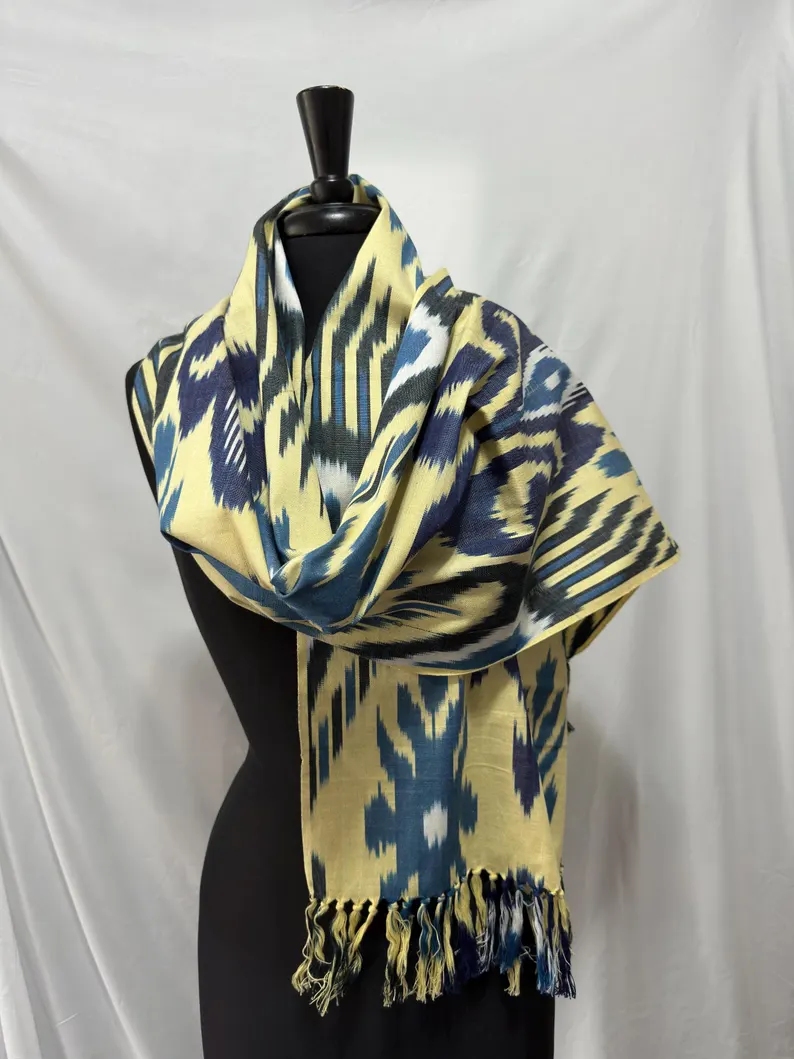
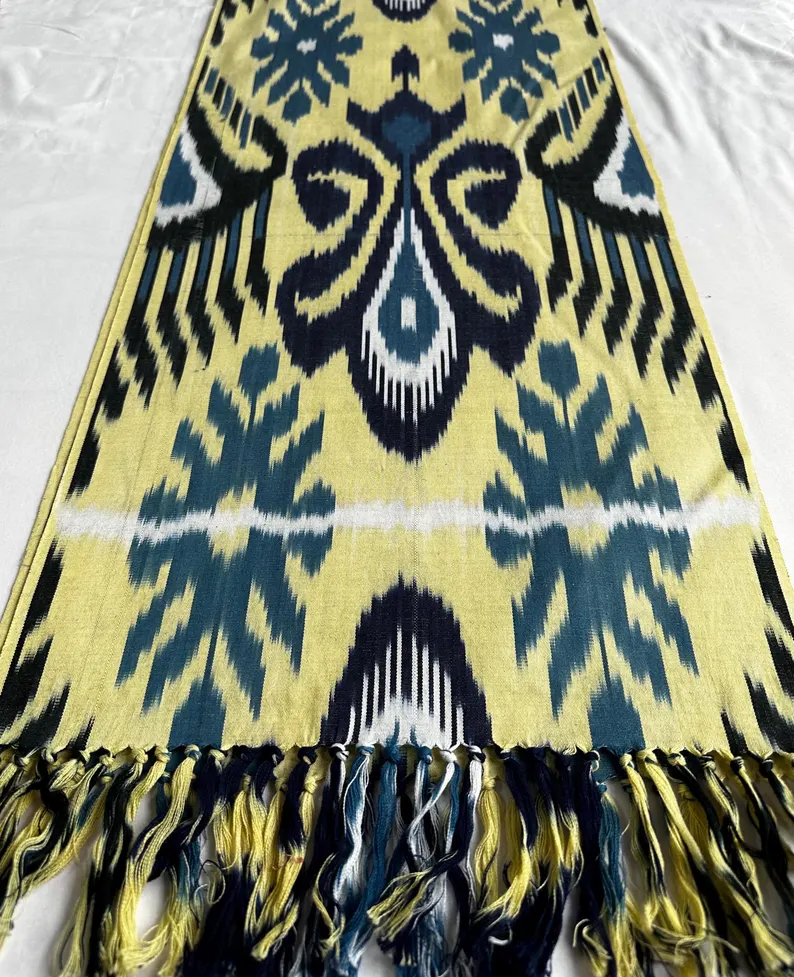
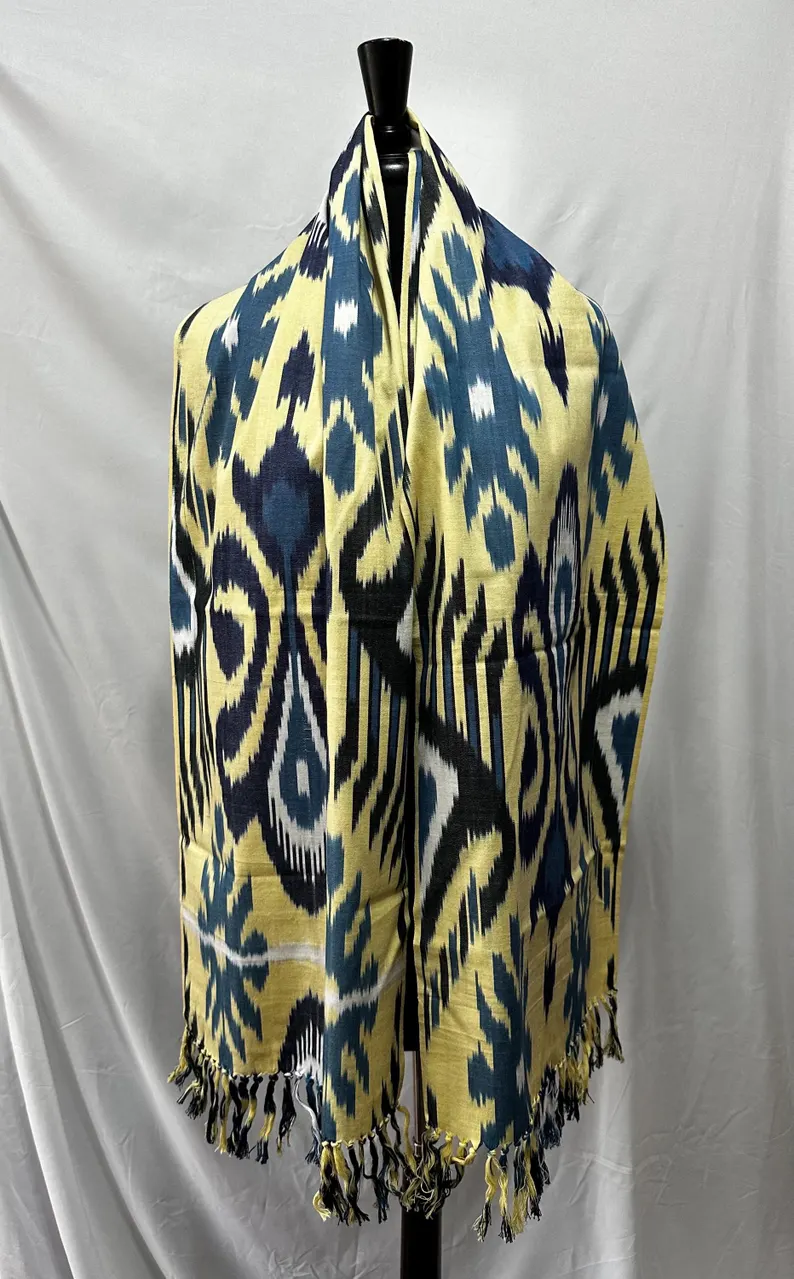
Ikat fabric represents an exquisite blend of artistry and tradition, making it a valuable addition to your wardrobe or decor. Its vibrant patterns and colors deserve careful attention to maintain their beauty over time. Proper care not only preserves its delicate fibers but also ensures that this cultural legacy continues to inspire for generations.
Essential Care Recommendations for Ikat
Taking care of ikat fabric requires a gentle touch. To help you navigate its maintenance, we’ve curated four essential tips:
1. Hand-wash your ikat fabric in cold water using a mild detergent. This simple step helps preserve its vibrant colors and intricate designs.
2. Avoid soaking the fabric for extended periods, especially for pieces dyed with natural dyes. Excess moisture can cause bleeding or fading.
3. Allow the fabric to air dry in a shaded area, away from direct sunlight. Prolonged exposure to sunlight speeds up the fading process and harms the colors.
4. Iron your ikat fabric with care. Use low heat while the fabric is slightly damp. Place a protective cloth between the fabric and the iron to protect its delicate fibers.
The Rich History of Ikat Fabric
Ikat is not just a textile—it’s a story of craftsmanship, cultural significance, and innovation. Derived from a complex dyeing technique, ikat involves binding and dyeing individual sections of yarn before weaving. The result? Intricate patterns that are deeply rooted in the traditions of Southeast Asia, South America, and Central Asia.
In regions like Tajikistan and Persia, ikat fabric holds particular historic importance. Referred to as “abrbandi” or “abr,” meaning “cloud,” the fabric’s blurred, cloud-like patterns have dazzled audiences for centuries. Tajikistan’s ikat tradition, often crafted from silk or cotton, symbolized wealth and status and was reserved for elite clothing, such as robes and ceremonial attire. Similarly, Persian ikat became synonymous with artistic luxury during the 16th to 18th centuries, when textiles were seen as prized cultural exports.
The ikat traditions of these regions have influenced textiles worldwide, creating lasting legacies that continue to captivate enthusiasts of textile craftsmanship today.
Reviews
There are no reviews yet.